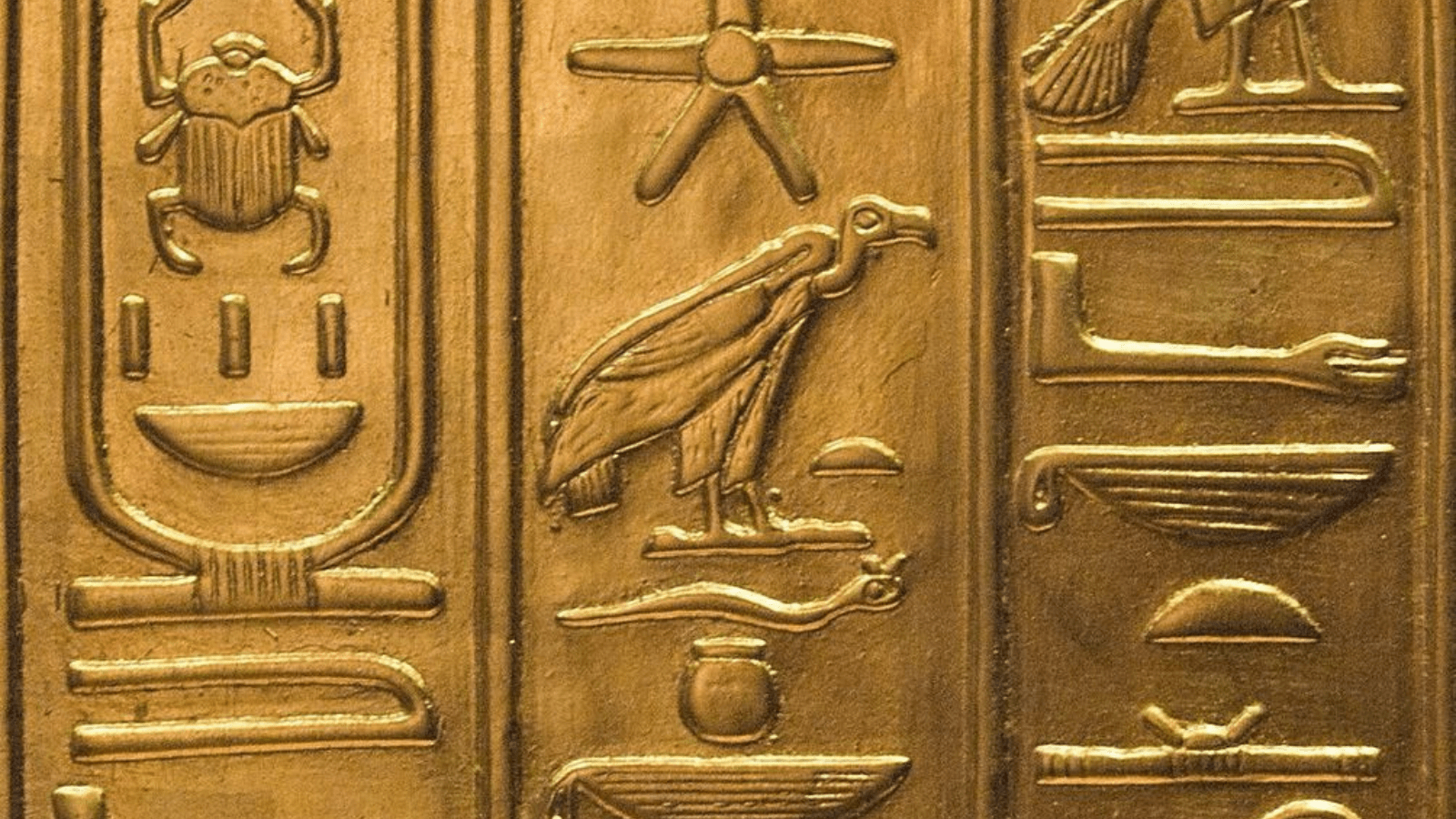
Ancient Egyptian symbols were not decoration. They were sacred signs carrying ideas of life, death, rebirth, protection, royal authority and the invisible connection between humans and the gods.
Why Ancient Egyptian Symbols Still Fascinate the World
Ancient Egypt left behind pyramids, temples, tombs and statues, but its symbols are among the most intimate keys to understanding the civilization. They appear on temple walls, royal crowns, jewelry, amulets, coffins, papyrus scenes and tomb paintings.
Each symbol carried a role. Some protected the living. Some guided the dead. Some expressed divine kingship. Others represented cosmic stability, rebirth, fertility or the spiritual parts of the human soul.
The original article you shared explains the Ankh, Eye of Horus, Scarab, Djed, Was Scepter, Sphinx, Uraeus, Lotus Flower, Ba and Ka as signs deeply connected with religion, society and the afterlife. This rebuilt Vagus version expands that foundation into a refined cultural travel page with visual cards, stronger structure, English internal links and a luxury private-tour angle.
Quick Answer
Ancient Egyptian symbols were sacred visual signs used to express life, protection, healing, royal authority, rebirth, stability and the afterlife. They formed a symbolic language that connected the human world with the divine.
What Made Egyptian Symbols So Powerful?
In ancient Egypt, an image could do more than represent an idea. It could activate meaning. A symbol carved into a tomb could protect the deceased. An amulet worn on the body could defend against harm. A royal sign on a crown could announce divine authority.
This symbolic world was not separate from daily life. It shaped religion, politics, art, medicine, burial customs and royal identity. Understanding symbols helps travelers read Egypt’s monuments with far greater depth.
Life and Eternity
Symbols like the Ankh expressed life, immortality and divine power.
Protection
The Eye of Horus and Uraeus were used to guard people, kings and the dead.
Rebirth
The Scarab and Lotus reflected renewal, solar cycles and resurrection.
Stability
The Djed represented endurance, divine support and Osirian resurrection.
Royal Power
The Was Scepter and Uraeus expressed kingship, authority and divine rule.
Soul and Spirit
The Ba and Ka reveal how Egyptians imagined personality, spirit and survival after death.
Symbols as Sacred Technology
To the ancient Egyptians, symbols were not passive images. They could protect, empower, preserve identity and open the path between the earthly world and the afterlife.
The Most Important Ancient Egyptian Symbols and Their Meanings
The Ankh: The Key of Life
The Ankh is one of the most recognizable ancient Egyptian symbols. Shaped like a cross with a loop at the top, it represented life, eternal life and the divine power to grant existence.
Where it appears: In the hands of gods and pharaohs, on temple walls, tomb scenes and sacred objects connected with the afterlife.
The Eye of Horus
The Eye of Horus symbolized protection, healing and restoration. In myth, Horus lost his eye in conflict with Set, and it was restored by Thoth, making it a sign of wholeness.
Where it appears: Amulets, mummy protection, jewelry, funerary objects and temple symbolism.
The Scarab Beetle
The Scarab represented rebirth, regeneration and transformation. It was linked with Khepri, the god of the rising sun, and the daily renewal of life.
Where it appears: Amulets, heart scarabs, jewelry, burial objects and funerary texts.
The Djed Pillar
The Djed symbolized stability, endurance and resurrection. It was strongly connected with Osiris and was often interpreted as a pillar of cosmic and spiritual support.
Where it appears: Tomb walls, ritual scenes, amulets, temple carvings and Osirian symbolism.
The Was Scepter
The Was Scepter symbolized power, dominion and control. It was shown in the hands of gods and kings as a sign of authority over the world and the forces of chaos.
Where it appears: Royal imagery, divine scenes, temple reliefs and ceremonial iconography.
The Sphinx
The Sphinx combined a lion’s strength with a human or divine head. It represented guardianship, wisdom, mystery and sacred protection.
Where it appears: Most famously at Giza, where the Great Sphinx guards the pyramid landscape.
The Uraeus Cobra
The Uraeus was the upright cobra worn on royal crowns. It symbolized sovereignty, divine protection and the fiery power of the cobra goddess Wadjet.
Where it appears: Pharaohs’ crowns, royal statues, coffins, temple art and protective iconography.
The Lotus Flower
The Lotus Flower represented purity, beauty, creation and rebirth. It was associated with dawn, the sun god Ra and the renewed life brought by the Nile.
Where it appears: Temple columns, tomb paintings, offering scenes, jewelry and decorative motifs.
The Ba and Ka
The Ba and Ka were essential parts of the human soul. The Ba represented personality and individuality, while the Ka was the spiritual double that needed offerings after death.
Where it appears: Funerary art, tomb texts, offering scenes and afterlife beliefs.
Hieroglyphic Signs
Hieroglyphs were not only writing signs. Many carried symbolic and sacred meaning, turning language into a visual bridge between speech, ritual and divine presence.
Where it appears: Temples, tombs, stelae, statues, papyrus texts and royal inscriptions.
Ancient Egyptian Symbols at a Glance
| Symbol | Main meaning | Associated themes | Travel context |
|---|---|---|---|
| Ankh | Life and eternal life. | Gods, pharaohs, immortality. | Temples, tombs and museum objects. |
| Eye of Horus | Protection, healing and restoration. | Horus, Thoth, amulets, funerary protection. | Jewelry, mummy coverings and museum collections. |
| Scarab | Rebirth and transformation. | Khepri, sun cycle, resurrection. | Amulets, tomb objects and artifacts. |
| Djed | Stability and endurance. | Osiris, resurrection, cosmic support. | Tombs, temples and ritual scenes. |
| Was Scepter | Power and dominion. | Royal authority, gods, control over chaos. | Temple reliefs and royal iconography. |
| Sphinx | Guardianship and sacred strength. | Protection, wisdom, solar power. | Giza and sacred entrance symbolism. |
| Uraeus | Royal protection and sovereignty. | Wadjet, crowns, divine kingship. | Royal statues, crowns and coffins. |
| Lotus | Purity, creation and rebirth. | Ra, Nile renewal, dawn. | Temple columns, tomb art and decorative motifs. |
| Ba and Ka | Soul, personality and spiritual double. | Afterlife, offerings, funerary survival. | Tombs, funerary art and museum interpretation. |
Reading Temples Through Symbols
Once you understand Egyptian symbols, temple walls become easier to read. Every Ankh, cobra, lotus and sacred eye becomes part of a larger message about power, protection and eternity.
Symbols and the Afterlife
Many Egyptian symbols were closely tied to death and rebirth. In tombs, symbols did not simply decorate walls. They supported the soul’s journey, invoked protection and helped preserve the identity of the deceased.
The Ankh promised life. The Djed offered stability. The Scarab suggested rebirth. The Eye of Horus protected the body and soul. The Ba and Ka explained how the person continued to exist after death.
Afterlife Meaning
Ancient Egyptian symbols helped make the afterlife visible. They gave form to invisible hopes: protection, renewal, identity, divine favor and eternal life.
Where Can Travelers See Ancient Egyptian Symbols Today?
Egyptian symbols can be found across the country, especially in temple reliefs, tomb paintings, museum displays, jewelry, papyrus scenes and royal monuments. A private guide can help decode what these signs meant and why they were placed where they appear.
Cairo and Giza
Explore museums, the Great Sphinx, royal iconography, amulets and symbols connected with pyramids and kingship.
Explore Cairo Day Tours →Luxor Temples and Tombs
Luxor is one of the richest places to see Ankh signs, Djed pillars, lotus motifs, gods, royal scenes and afterlife symbolism.
Explore Luxor Day Tours →Aswan and Southern Temples
Southern temples preserve symbolic scenes connected with gods, kingship, power and sacred ritual.
Explore Aswan Day Tours →Tailor-Made Symbolism Tours
Create a private itinerary focused on Egyptian symbols, mythology, tombs, temples, papyrus art and sacred iconography.
Plan a Tailor-Made Tour →Why Egyptian Symbols Fit a Private Luxury Egypt Journey
Ancient Egyptian symbols reward slow looking. A standard visit may show a traveler beautiful carvings; private interpretation reveals what those carvings are saying.
With Vagus Travel Co., symbolic interpretation can become part of the journey: the Ankh in temple scenes, the Eye of Horus in amulets, the Scarab in funerary objects, the Uraeus on royal crowns and the Sphinx as guardian of the Giza Plateau.
Vagus Travel Perspective
Luxury travel in Egypt is not only about comfort. It is about understanding the invisible meaning behind visible beauty.
Useful English Vagus Links for Planning a Symbolism-Focused Journey
All internal links here use the English version of Vagus Travel Co. to keep the visitor path consistent.